

Compassion, Acceptance and Mindfulness in Dance and Performing Arts Conference:
Keynote Speakers

Sanna Nordin-Bates, PhD.
“On Perfectionism, Dance Culture, and why Self-Compassion is Hard To Do”
Professor, Department of Health Sciences, Section for Psychology
The Swedish School of Sport and Health Sciences
Dr. Nordin-Bates focuses on dance environments, autonomy, healthy motivation, and perfectionism. She has long‑standing collaborations with the Swedish Royal Ballet School, serves on the steering group for professional dancer education at Balettakademien, and is a member of the advisory board on dancer education within the Department of Education. She also teaches on perfectionism and mental training in the Master of Applied Sciences in Dance Sciences at the University of Bern.
In 2026–2027, she works with the Royal Ballet on the project Coaching Ballet Dancers for the 21st Century: Autonomy and Self-Regulation in a Changing Culture. Her research has addressed topics such as imagery as a mental and creative tool in dance, talent development and early specialization, eating‑disorder risk factors in dance, and creativity. In 2023, she published Essentials of Dance Psychology with Human Kinetics.
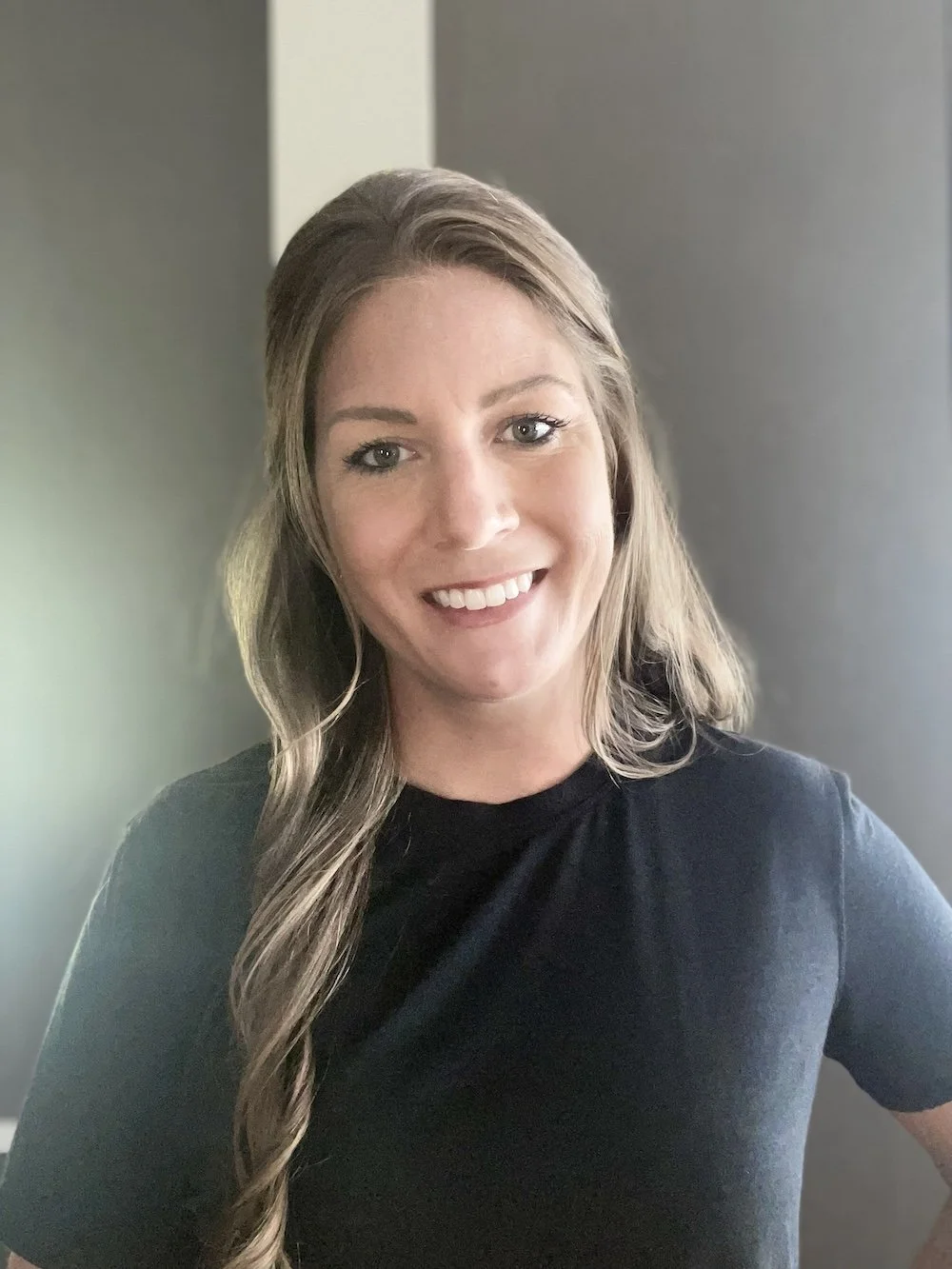
Amber D. Mosewich, PhD.
“Staying on Your Own Side: Self-Compassion in Dance and Performance”
Associate Professor, Faculty of Kinesiology, Sport, and Recreation
University of Alberta, Canada
Dr. Mosewich’s research interests focus on the examination of stress, coping, emotion, and resultant cognitive and behavioural responses within the sport domain. Her research also extends into related performance contexts, including dance. Performance contexts can present many challenges, and ensuring that individuals within these environments - including athletes, dancers, coaches, instructors, officials, and other members of the performance team - have the skills and resources to effectively manage different issues is essential to promote adaptive responses to stress and emotion and foster successful experiences that are also positive and healthy.
One area of particular interest for Dr. Mosewich surrounds self-compassion as a potential coping resource for athletes and performers. The premise is that promoting self-compassionate frames of mind might promote acceptance, acknowledgment, and accurate evaluation of challenging sport and performance situations, and attenuate ruminative or avoidant approaches, better allowing athletes and performers to move forward in pursuit of their goals and highest possible level of performance.
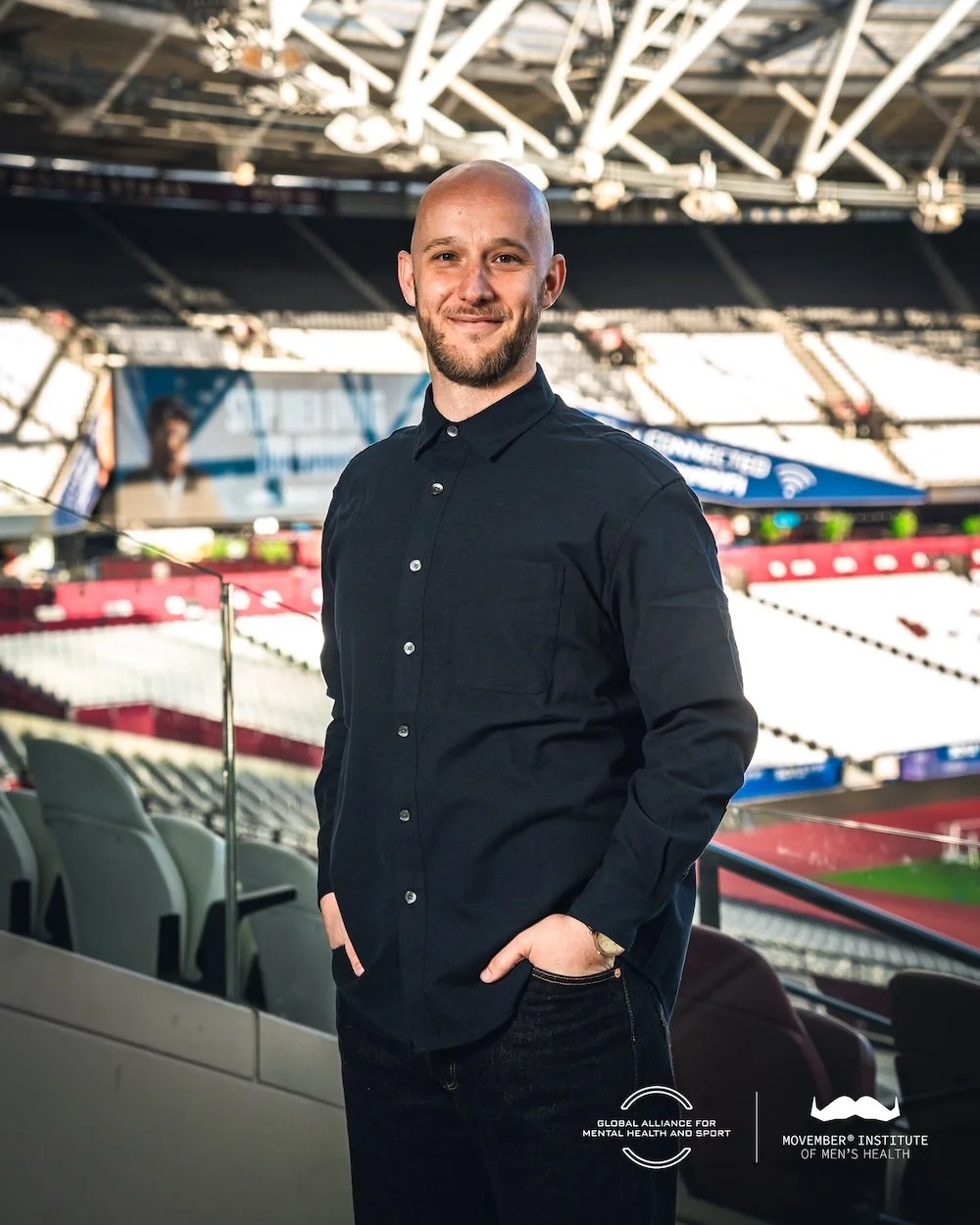
Courtney Walton, PhD.
“Working towards compassion-based environments in the performing arts”
Senior Research Fellow, Melbourne School of Psychological Sciences
University of Melbourne, Australia
Dr. Walton is a Senior Research Fellow (C.R. Roper Fellow) and endorsed Sport and Exercise Psychologist at the University of Melbourne, where he leads the Wellbeing in Sport and Performance Lab. His research focuses on better understanding and supporting mental health in high-performance environments such as sport and the performing arts. He has published close to 100 peer-reviewed journal articles and book chapters and is an Associate Editor for the journal Performance Enhancement & Health.
Much of Courtney's work centres on the role of self-compassion and self-criticism in performer mental health. He is also interested in the creation of compassionate, psychologically safe environments in high-performance contexts. In the performing arts specifically, he recently piloted a brief self-compassion intervention for performing artists, and is also currently leading a scale development project to better measure self-compassion and self-criticism among performing artists.